Using a chainsaw looks like a very simple affair. It seems you can pull a rope, squeeze a trigger, and start grinding away the rubble of Hurricane Helene. But this is a dangerous and common deception that can instantly cost your life or limb. Please don't be deceived by assuming you can train yourself "on the job".
Using a Chainsaw
(Updated: Oct. 1, 2024, 8:05 a.m.)
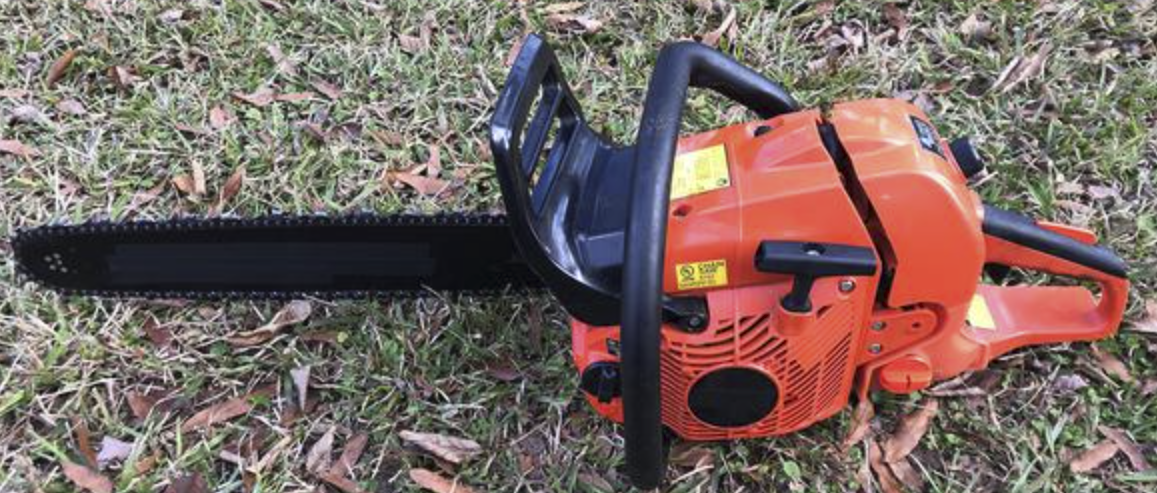
If you are unfamiliar with terms like kickback, chainsaw chaps (can save your life), proper hearing protection, ANSI Z87.1 rated eye protection, ANSI 89.1 rated hard hats, drop starting a saw (BAD IDEA), chain brake hand guards (not on many old machines) and chain catchers (often missing or damaged), I advise you to find other ways to help your community. All of the terms and topics above are part of proper training. They very well may, or in some cases will, save you from serious personal damage or loss of life. Between the un-obvious dangers that chainsaws offer and the complex dynamics of fallen or falling trees, you may simply add to the tragedy of disaster by grabbing a saw and diving in.
Instead of taking risks you likely are not even aware of, use the current disaster to inspire you to take a chainsaw safety class as soon as things settle down. Then you can truly be ready if anything like this happens again where you live. Call your county Extension office to learn how get the training.
Stay safe, and don't let that tempting chainsaw lure you into something you will forever regret!

Join our mailing list!
Enter your email address to receive updates.
Written By