Growing & Harvesting Luffa
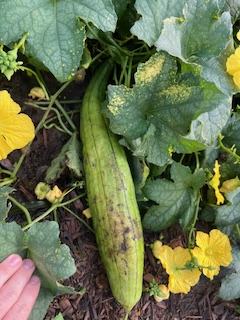
Planting
Luffa can be sown directly after the last frost, or it can be grown 4-6 weeks prior to the last frost and transplanted once your area is free of the risk of frost. Seeds should be planted at a depth between 1/2" to 1". Space transplants 3' apart, thin seedlings to achieve the same 3' spacing, leave 6' between rows.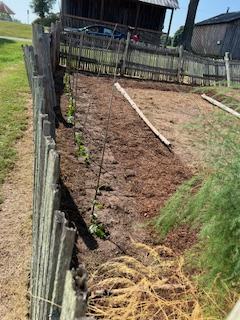
Care
Fertilize based on soil test recommendations, a balanced fertilizer is recommended in situations where a soil test has not been taken. Luffa will grow under diverse soil conditions but a pH between 6.0 and 7.0 is preferred. Water luffa at the base of the plant, consistent and deep watering during dry periods is necessary. Water needs may increase during fruiting. As plants begin to show early signs of drought stress like wilted or drooping leaves. Consider mulching or trellising plants to help prevent fruit rot.
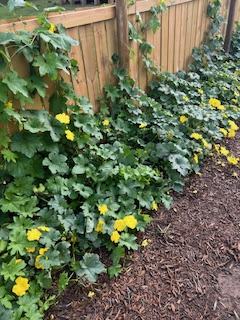
Harvesting
Mature green or brown (dried) luffa can be harvested and processed for sponges. Pick green luffa once the exterior has separated from the fibrous interior, you can check your luffa for this with a few gentle squeezes. Peel your luffa, clean out seeds and pulp with water. (this takes time). For dried luffa you can peel the luffa and shake seeds out of the sponge. It may help with seed removal to cut the ends of the sponge. It has been found that soaking luffa in a 10% bleach solution for 30-60 minutes promotes strength and whiteness. Allow the luffa to air dry indoors or outdoors in the sun. Gaston County has a quick YouTube short on processing mature green luffa from our heritage garden. Make sure to save mature seeds for replanting, seeds that are mature will typically be dark in color.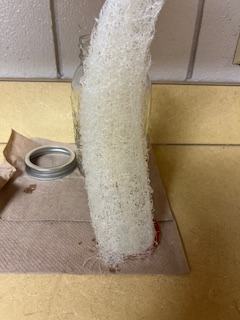
Join our mailing list!
Enter your email address to receive updates.
Written By

More About